

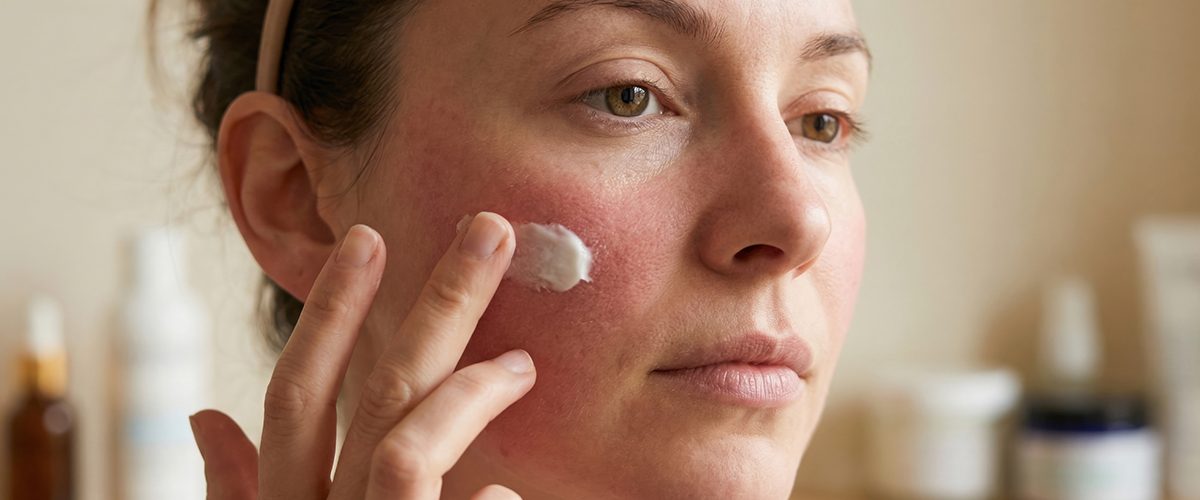
What does fragrance-free mean in skin care?

What does fragrance-free mean in skin care?
author-generic-thumbnail

Written by the QV science community.

The use of fragrance in skincare has seen a cultural shift in recent years. What was once viewed as a symbol of elegance and luxury is increasingly being replaced by fuss-free options that help minimise the risk of skin irritation and inflammation.

As fragrance offers no functional benefit to the skin, it is more about the sensory experience than skincare performance. It is also a common culprit in causing skin reactions, including allergic and irritant contact dermatitis.2,3

As awareness of skin sensitivities grows, the emphasis on minimising unnecessary ingredients becomes as significant as the allure of perfume.

Fragrance in skincare

Traditionally, fragrance was added to skincare products to mask chemical odours and enhance their appeal. More than 3,600 fragrance ingredients are listed in the International Fragrance Association (IFRA) database,4 including both natural compounds, such as essential oils, and synthetic substances. Of those, more than 150 are known allergens.5

To emphasise the significance of this group of allergens, in 2007, the American Contact Dermatitis Society designated fragrances as the "allergen of the year," and fragrance allergy is viewed as a frequently encountered and frustrating clinical problem.6

It is estimated that roughly 4.5% of the general population is allergic or sensitised to fragrances,5 which can cause a range of symptoms, from mild itching and rashes to more skin reactions, including allergic and irritant contact dermatitis.

Due to the widespread use of fragrance ingredients, many of which aren’t listed individually on product labels because of trade-secret laws, it is difficult for sensitised patients to avoid exposure.7

One survey found that out of approximately 2300 subjects, 23% of female subjects and 13.8% of male subjects experienced an adverse reaction to a personal-care product within a year.8

How to know if something is fragrance-free

In the UK, even when a product is formulated to be fragrance-free, it is not exempt from mandatory allergen labelling. Article 19 of both the UK and EU Cosmetics Regulations requires products containing fragrances to label the word “parfum” within the ingredients list.9

For years, EU regulators have also designated 26 fragrance allergens that must be labelled on cosmetic and detergent products. The list has now formally expanded to more than 80 allergens, including essential oils and botanical extracts.10,11

This includes potential allergens such as citral, limonene, and geraniol, which are common in citrus oils, as well as benzyl salicylate, which is found in ylang-ylang and floral extracts.10

People should review the ingredient list carefully for specific botanicals or chemicals, as this is more reliable than relying on the fragrance-free label.

What's the difference between fragrance-free and unscented?

There is also a common misconception that products labelled “unscented” mean the same as "fragrance-free". However, unscented can still mean that masking scents have been included, even if there is no obvious smell.

Another myth is that natural fragrances are better for the skin, but both natural and synthetic fragrances can trigger skin sensitivities or contact dermatits.12 People can also be caught out by unregulated marketing terms such as hypoallergenic, perfume, essential oil, or fragrance.

Products that are genuinely fragrance-free are suitable for sensitive or allergy-prone skin, which is why QV Skincare products, such as QV Gentle Wash and QV Bath Oil, do not contain fragrance, making it suitable for everyday use for those with dry or sensitive skin.

How can fragrance-free products benefit sensitive skin?

The use of scented skin products is often a personal choice, and low-concentration, dermatologist-tested fragrances are suitable for most skin types. Fragrance can also presumably have therapeutic benefits, including stress reduction and memory enhancement.13

However, fragrance-free skincare is recommended for people with eczema-prone, dry or sensitive skin types, as exposure to some fragrance products can be a key trigger for flare-ups and skin reactions in these groups.14

Overall, 60–70% of women and 50–60% of men report experiencing some degree of sensitive skin. Research indicates that individuals with sensitive skin are more likely to experience skin dryness and increased vulnerability to irritants.1

For this reason, fragrance should be the first ingredient that patients with sensitive skin eliminate from their skincare routines, and patients should be encouraged to look for fragrance-free products and ranges specifically formulated for sensitive skin.

Contact irritations and skin reactions

There is also a significant link between overall exposure to fragranced products and skin reactions, which can make the skin itchy, dry, or appear red, usually occurring a few hours after exposure.5,13,15

Contact dermatitis usually causes skin reactions on the hands, arms, legs, face, scalp, neck, and underarms.15

A way to respond to contact dermatitis and prevent its recurrence is to identify the causes and avoid them, which can be challenging, as up to 80% of cosmetic products contain fragrances.13,16

There are two main types of contact dermatitis:

  • Allergic contact dermatitis: This happens when the immune system reacts against a specific substance (like an allergen or fragrance), and it comes into contact with that substance again.
  • Irritant contact dermatitis: This occurs when the skin is repeatedly or regularly exposed to an irritant such as soap or fragrance over a long period.5,13,15

Regular use of emollients helps improve the skin barrier and hydration. The British Association of Dermatologists recommends treating contact dermatitis by applying an emollient several times daily, using a thicker version, such as QV Intensive Ointment, at night and a lighter one, such as QV Cream, during the day.15

Conclusion

Fragrance ingredients are widespread, with thousands used in cosmetics and many recognised as allergens, making them a common cause of skin sensitivities and contact dermatitis. The most effective way to reduce reactions is to avoid products that contain fragrances, especially those known to cause allergies. Fragrance-free skincare provides benefits for people with sensitive skin, eczema, or dryness, as avoiding fragrance can help support dry, sensitive skin. Choosing gentle, fragrance-free products helps minimise the chance of irritation.

You Might Be Interested In