Emollients and the prevention of topical steroid withdrawal

Emollients and the prevention of topical steroid withdrawal
author-generic-thumbnail

Written by the QV science community.

For decades, topical corticosteroids have been a cornerstone of the management of eczema and other inflammatory conditions. Although side effects are rare, there is growing awareness of a range of under-recognised symptoms known as topical steroid withdrawal.

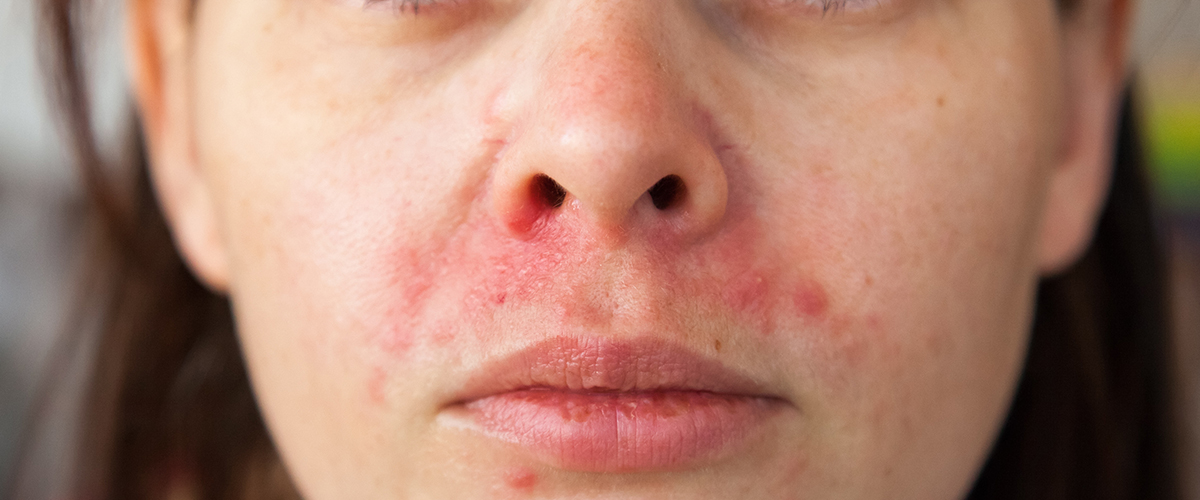
The exact prevalence of topical steroid withdrawal is unknown, but it is considered uncommon, particularly when topical corticosteroids are used correctly1,2. Features include redness, burning and stinging, and often painful, peeling skin. People may also experience sleep disturbances due to intense itching, which significantly affects their quality of life1,2.

It is a developing area of dermatological research, and currently, there is limited scientific evidence to guide diagnosis, treatment, and support, which often leaves many patients feeling that their concerns are not taken seriously by healthcare professionals3.

In the absence of formal guidelines, the focus is on ensuring the safe use of topical corticosteroids and on supportive measures, such as intensive emollient care2.

What is topical steroid withdrawal?

Knowledge about topical steroid withdrawal, also called red skin syndrome and topical steroid addiction, has been partly driven by social media, with the hashtag ‘#TSW’ gathering over 1.1 billion views on TikTok4.

It describes a range of symptoms, some of which are already known side effects of topical corticosteroids, with the most common being redness and swelling that usually occur in people who have recently discontinued use4.

Topical steroid withdrawal is often confused with relapse of the original skin condition, yet the skin inflammation usually extends beyond the area treated with topical corticosteroids and develops in previously unaffected areas4.  

It is more common after prolonged use of potent topical corticosteroids or after abrupt discontinuation. However, to date, it has not been reported with normal use, such as treating certain skin conditions for short periods or with short breaks in treatment over an extended period.5 It also seems to be most prevalent in women, accounting for 81% of cases.6

Some patients also report ‘elephant skin’, which is thickened skin with reduced elasticity; red sleeve sign, indicating redness of the limbs sparing the palms and soles; and headlight sign, referring to redness of the face while sparing the nose2,4.

It can be a frightening condition with a high psychological burden, as it can occur in sensitive areas such as the face and the genitalia, cause severe pain, and often disfiguring swelling7.

A common approach to topical steroid withdrawal recovery involves gradually tapering topical corticosteroid use and allowing the skin to heal naturally, although the duration, response, and symptoms can vary widely1.

For some, there may be four distinct stages once the steroid is stopped. It starts with burning and redness in the first few days, followed by dry, itchy skin. Then, as the skin begins to recover, there may be intermittent flares before reaching the final stage of recovery8.

Other management options include emollients, infection prevention, pain and itch management, and anxiety therapies2,9 Emollients can be applied multiple times daily, as needed during a flare, and used consistently over the long term to help maintain and support the skin barrier10.


What is the role of topical corticosteroids in eczema treatment?

Topical corticosteroids have been used in the NHS for over 70 years and are endorsed in international guidelines for the treatment of many inflammatory skin conditions, including eczema and psoriasis.2,11.

There are over 11 million prescriptions issued for topical steroids each year, and they come in many preparations, including creams, ointments, oils, gels, and lotions8,12.

They are used to treat flare-ups of atopic eczema, and topical corticosteroid treatment regimens vary with disease severity. According to NICE guidance, to reduce exposure to topical corticosteroids, the mildest-potency products possible should be used12.

To help with identification of potency, new government regulations require preparations to be labelled with one of the following: ‘mild steroid’, ‘moderate steroid’, ‘strong steroid’, and ‘very strong steroid’8.

The role of emollients in preventing topical steroid withdrawal

Guidance from Eczema UK says that, to work effectively, topical corticosteroids should be used with emollients, which help soothe and soften the skin and maintain the skin's barrier function11. Evidence shows that together they can reduce eczema severity13.

In addition, topical corticosteroids should only be used intermittently, such as twice per week, which will likely prevent most cases of topical steroid withdrawal 14. This halts the continuous flare cycle, meaning less topical steroid is needed to control the eczema than if each flare were treated as it occurred11,15.

To ensure intermittent use, it is important to keep the condition under control. For some people with eczema, daily use of emollients for moisturising and washing may help to reduce eczema flare-ups and the amount of topical corticosteroid needed16.

Emollients are a first-line therapy for atopic eczema, and according to NICE guidance, frequent and continuous use is recommended even in the absence of symptoms17.

The importance of the 30-minute rule

Overuse of topical corticosteroids can also be aided by following the ’30-minute rule’, which allows emollients to be absorbed by the skin before or after applying topical corticosteroids.

Applying a steroid immediately before or after an emollient may dilute the medication, potentially reducing its effectiveness, or spread it to areas of skin that don't need it10.

Eczema UK recommends applying a topical steroid when eczema is flaring, any time of day, ideally after a bath or shower, as it works best on moist skin. It advises patting the skin dry with a soft towel, applying a topical corticosteroid to the red areas of the skin, then waiting 30 minutes before applying an emollient all over the body11.

Conclusion

When used correctly and applied only to affected skin, topical corticosteroids are a safe and effective treatment, and millions of people have used them without side effects1,8,11.

People with eczema need to discuss their treatment with their dermatologist and weigh the benefits against the risks, as they are likely to require multiple courses of topical corticosteroids throughout their lives.

More research is needed into the potential consequences of steroid phobia on treatment use as this could lead to under-treatment18. Under-treatment may mean that a stronger topical steroid has to be used to bring the eczema under control again, or people with eczema will have to face unnecessary and increased eczema flares11,15. It could also mean that treatment time is prolonged, increasing the risk of other side effects, such as skin thinning and adrenal suppression10.

Currently, there is conflicting information about what can be used safely in the long term, and research is continuing in an effort to establish clear diagnostic criteria and recognise early warning signs 18.

It is therefore essential to raise awareness among both patients and healthcare professionals about the safe use of topical corticosteroids and the importance of effective emollient care.

You Might Be Interested In

QV UK Subscription Form