

The importance of your skin microbiome

The importance of your skin microbiome
author-generic-thumbnail

Written by the QV science community.

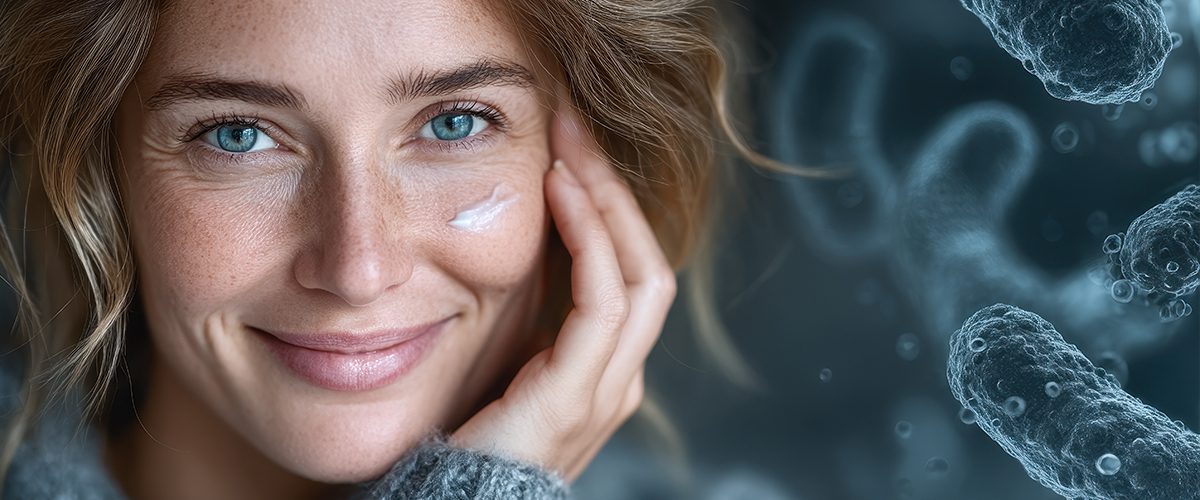
A person’s skin is home to trillions of harmless microscopic organisms, collectively known as the skin microbiome. It includes bacteria, fungi and viruses, which help maintain skin balance and function.1

The skin microbiome can be surprisingly resilient and remains stable over time despite environmental exposure.2 It plays a vital role in immune defence against skin infections and the control of inflammation.3

An altered microbial state, however, can disrupt the skin’s barrier, leading to dryness, increased sensitivity, and accelerated ageing, including decreased moisture retention and loss of firmness.4

Changes in the diversity of protective bacteria can also sometimes be linked to pre-existing conditions, including eczema, psoriasis, and acne-related inflammatory responses.3,5

A gentle skincare routine can support your skin microbiome, which can help to support beneficial bacteria on the skin, helping to maintain an efficient skin barrier and reduce inflammation.

Skin barrier and the microbiome

The skin’s barrier function is the body’s first line of defence against the external environment. It works by retaining moisture and preventing the skin from becoming dehydrated.6

It also acts as a gatekeeper, keeping out harmful substances such as irritants and allergens that can cause redness and itching.6

The relationship between microbes and the skin barrier has evolved over millions of years. Together, they influence several key skin functions that maintain skin comfort and health.7

What is the skin microbiome, and why is it important?

An individual’s microbiome is unique to them and shaped by environmental factors, including genetics and diet. The microorganisms can be classified as: commensal (harmless), symbiotic (mutually beneficial) and pathogenic (harmful).

These harmful organisms include bacteria that can cause impetigo or cellulitis, viruses such as herpes and warts, fungi that cause athlete's foot, and parasites such as Sarcoptes scabiei and lice.

A balanced microbiome is just as important as the skin barrier itself in preventing pathogenic organisms from taking hold. The microbiome does this in various ways, including helping to kill harmful species, competing with them for nutrients and space, promoting wound repair, and, at times, acting like a natural antibiotic.3,8,9

In addition, signals from the skin microbiome can train the body to recognise threats, thereby appropriately activating or deactivating a person’s immune system.10

Factors that disrupt the skin's microbiome

Numerous factors can disrupt the skin microbiome, including ageing and genetics. Environmental influences, such as occupation, pollution, UV radiation, and climate, also play a role, as do dietary and lifestyle factors, as well as poor hygiene.11,12,13

People can also disrupt their microbiome with certain cleansers, antiperspirants, and sunscreens.14 The overuse of antibacterial soap, in addition, can cause changes in skin microbial communities.15

How to support the skin microbiome

Here are some top tips to help support a healthy, balanced skin microbiome:

  • Maintaining a balanced pH: Consider soap substitutes such as QV Gentle Wash, which is specially formulated for dry or sensitive skin. Traditional soaps and shower gels often contain harsh surfactants that alter the skin's pH and strip away natural oils, irritating the skin. Regulating pH also creates an environment that supports commensal microbes.
  • Overuse of antibacterial products: Excessive usage of hand sanitiser can disrupt the skin microbiome and has been associated with some skin conditions.16
  • Moisturise and keep skin hydrated. Look for skin products that contain one or more efficacious moisturising ingredients, such as glycerin. This mimics the action of the skin’s natural moisturising factor.17
  • Reduce bathing time. Keep showers and baths short and use lukewarm water to avoid stripping the skin of natural oils, which could harm your skin microbiome. Adding QV Bath Oil helps replenish whole-body moisture.
  • Diet and lifestyle measures. Whole-body health, especially gut health, is essential for boosting beneficial bacteria on the skin.13

How to balance the skin microbiome

The skin microbiome is essential not only for optimal skin barrier function but also for overall health. When this invisible ecosystem is unbalanced, it can weaken the skin barrier and contribute to premature ageing and skin conditions such as psoriasis and eczema.

Restoring this delicate balance helps ensure essential homeostasis, protection against invading pathogens and skin barrier repair and maintenance.13

The Skin Microbiome: The Science Bit

  • There is an intricate interplay between microbes and a healthy skin barrier, with commensal bacteria believed to be just as important as the skin barrier in preventing pathogenic organisms from taking hold.
  • The skin is home to over 1,000 bacterial species, with hair follicles, sweat glands, and sebaceous glands each hosting distinct microbial communities.3,4
  • Stress and insufficient sleep can impact your skin microbiome. This can increase the risk of skin disorders or worsen their symptoms by affecting the maintenance of the skin barrier.13

You Might Be Interested In